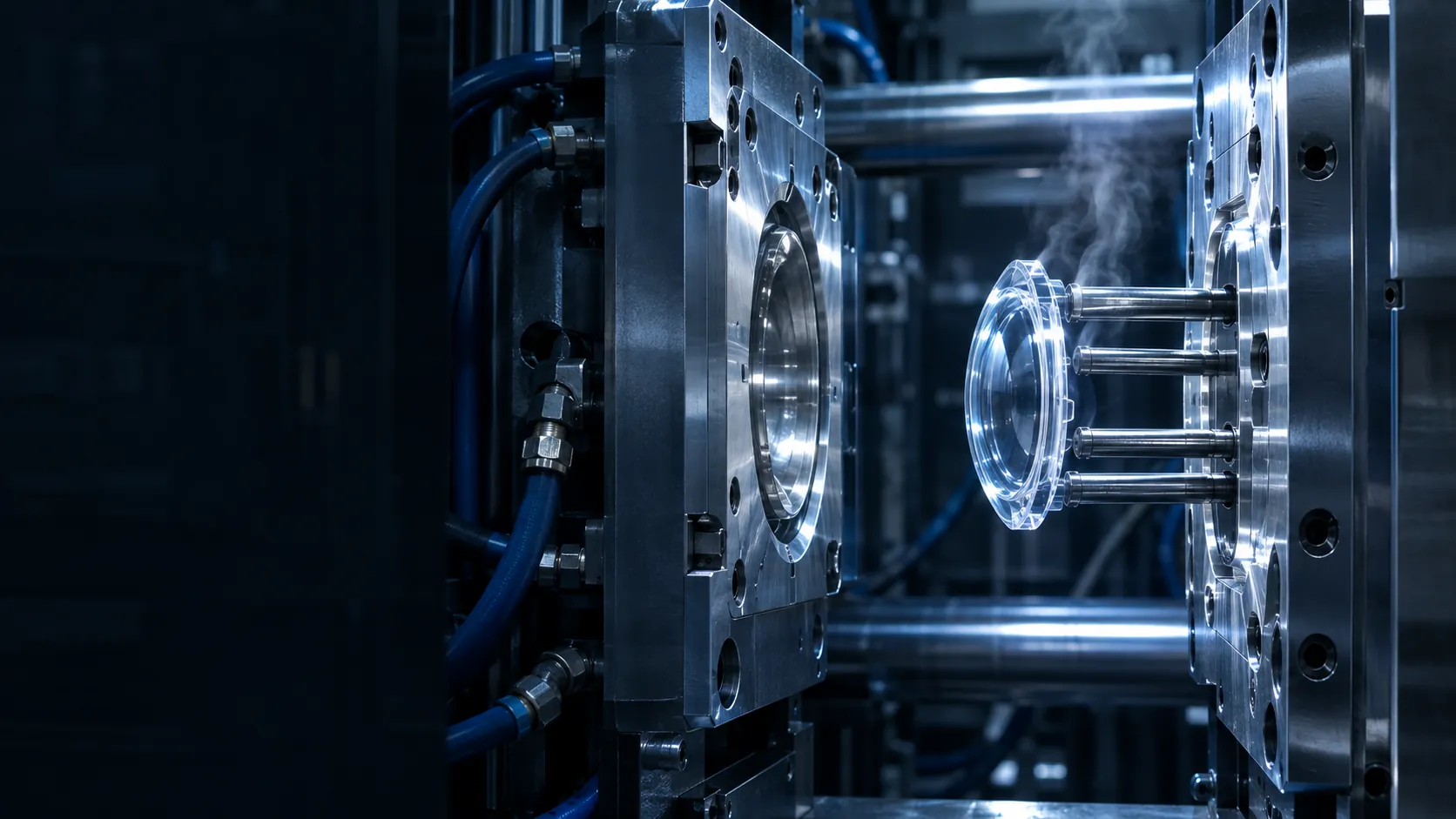
Injection mold opening with a clear molded lens ejecting from the core side
Autronic Plastics · Central Islip, Long Island, NY · Since 1953

Precision engineering
across plastic and metal.

Custom plastic injection molding paired with full in-house mold construction, complete metal fabrication, and six-axis robotic automation — from concept to qualified part, under one 100,000 sq ft Long Island roof.

Since 1953 // American Made // Clean-Room Capable // UL Certified // ISO 9001 Certified
70+
Years in operation
55–1200T
Tonnage range
20
Molding machines
±0.5mm
Robotic repeatability
// Compliance & Standards
ISO 9001 Certified
ISO 9001:2015 · registered since 1999
UL Certified
Molder & assembler
Compliant Materials
FDA · REACH · RoHS · NSF grades
Clean-Room Capable
Medical & optical work
Scientific Molding
DOE & process validation
Made in USA
Long Island since 1953
Our Capabilities

Eight integrated disciplines — from concept through production.

One Long Island facility with design, tooling, molding, metal fabrication, and assembly in-house. Difficult-to-process engineering resins, metal replacement, and precision plastic components are where we start — not where we hesitate.

Explore injection molding at API
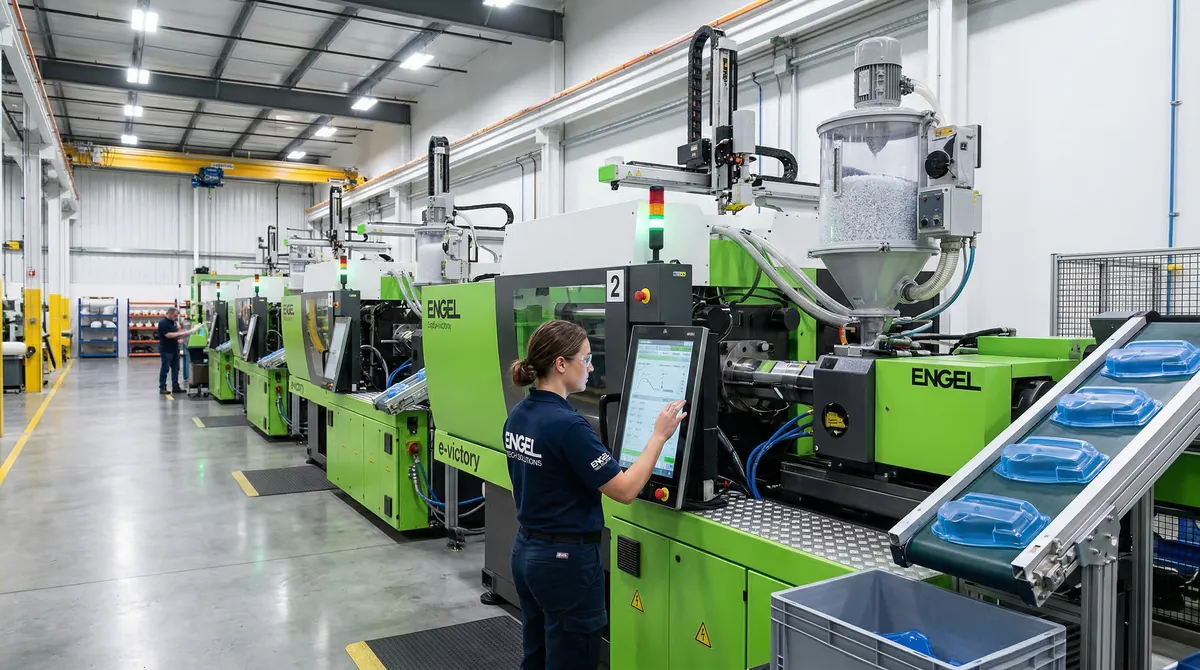
Tie-bar-less Engel injection molding machines with robots on a climate-controlled molding floor
01 — Production

Plastic Injection
Molding

20 Engel, Haitian, Toshiba, Sumitomo, and Sodick presses from 55 to 1,200 tons — insert, two-shot, over-molding, and clean-room capability, three shifts, 24/5.

20 machines · Clean-room capable · 24/5
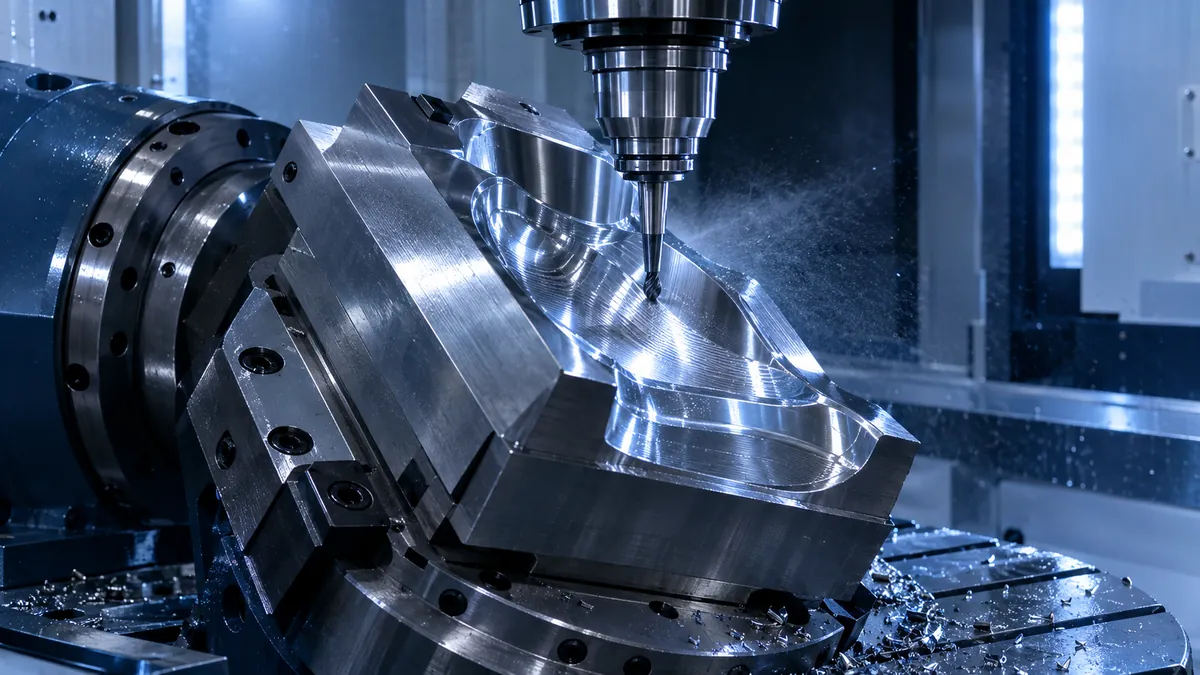
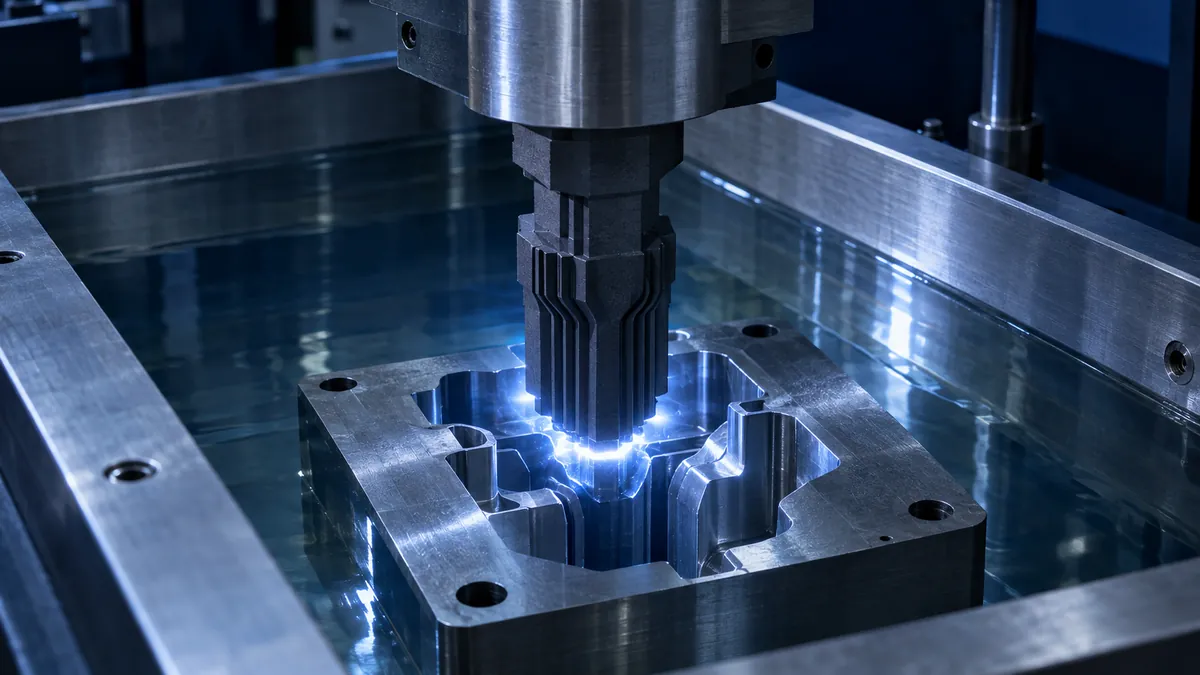
Five-axis high-speed milling of a hardened steel mold cavity
02 — Tooling

Mold Construction
& Tool Shop

Multi-action, hot-runner, two-shot, over-mold, and insert molds — designed, constructed, and maintained on premises for the life of the tool.

Okuma · Roku-Roku 5-axis · Wire & sinker EDM
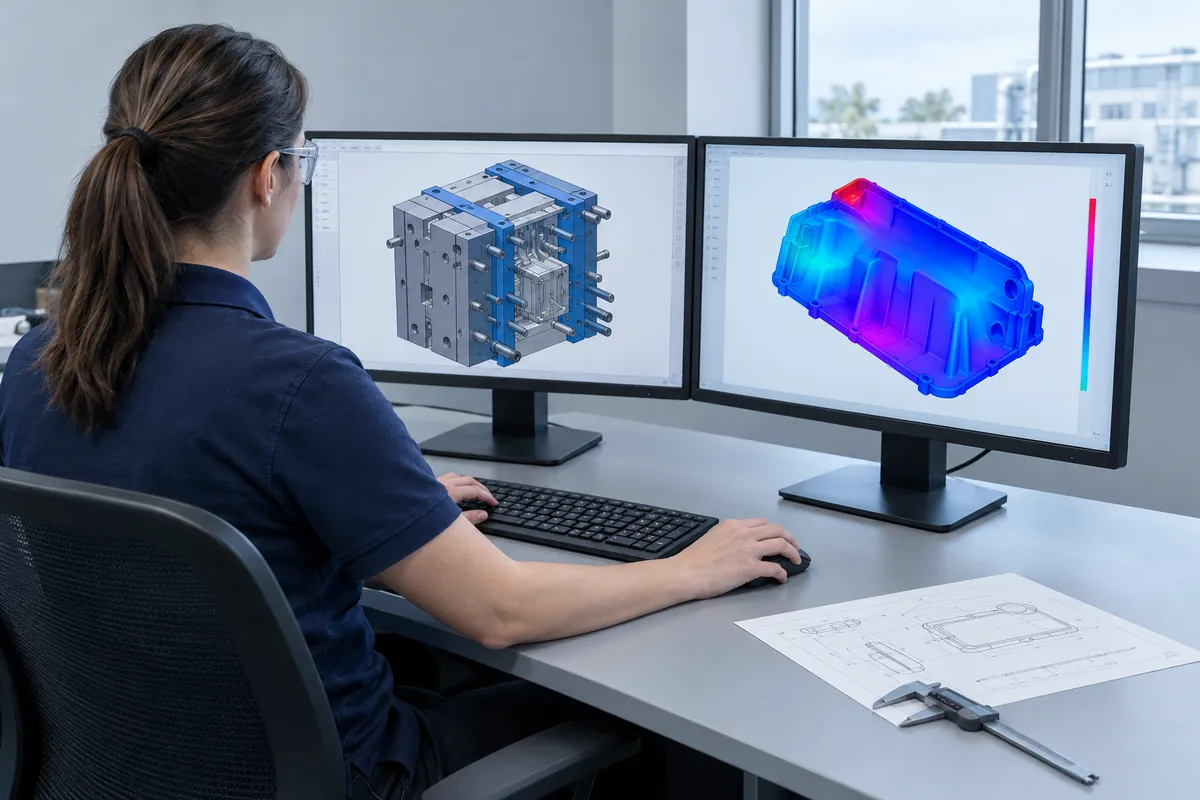
Engineer reviewing a mold assembly and mold-flow simulation in CAD
03 — Engineering

CAD / CAM
Design Engineering

SolidWorks product design, DFM review, mold-flow simulation, and reverse engineering of existing parts — manufacturability designed in from day one.

In-house engineering team
Precision parts molded in engineering resins
04 — Materials

Advanced
Resins

PEEK, Ultem, PPS, LCP, glass- and carbon-filled grades, and metal-loaded compounds — the materials most molders hesitate to run.

Metal-grade performance
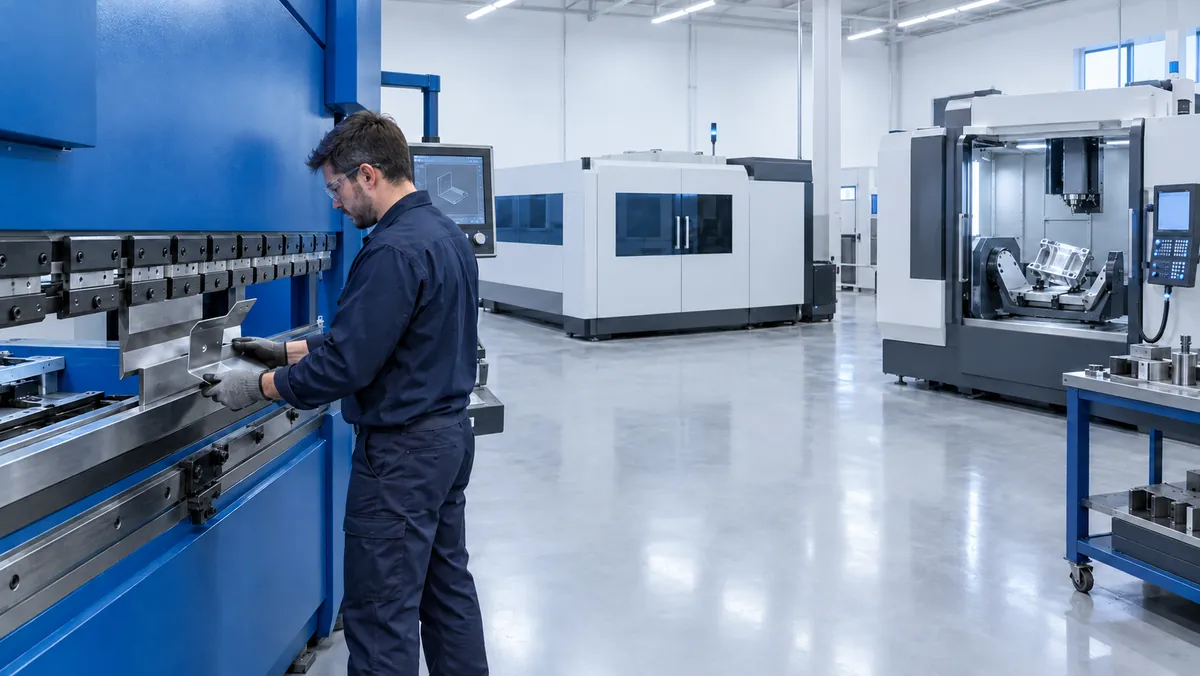
Amada press brake and CNC equipment in a metal fabrication shop
05 — Metal

Complete Metal
Fabrication

Amada press brakes, CNC machining, stamping, and laser cutting — plastic and metal components of one product built under one roof.

Amada · CNC · Bending · Stamping · Laser
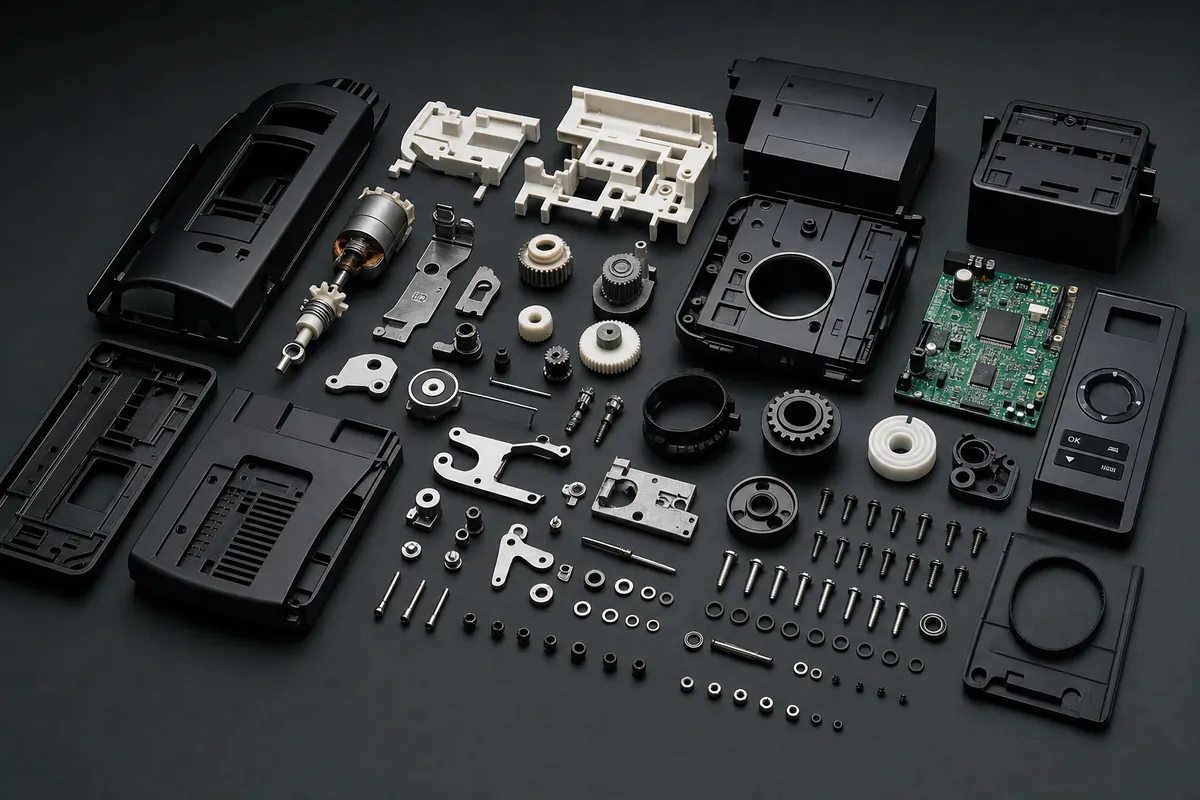
Exploded layout of molded, machined, and electronic components for an assembly
06 — Integration

Complex
Assemblies

Molded plastics, machined metal, and electronics combined into finished, tested units — ultrasonic welding, heat staking, pad printing, and hot stamping in-house.

Plastic · Metal · Electronics · Secondary ops
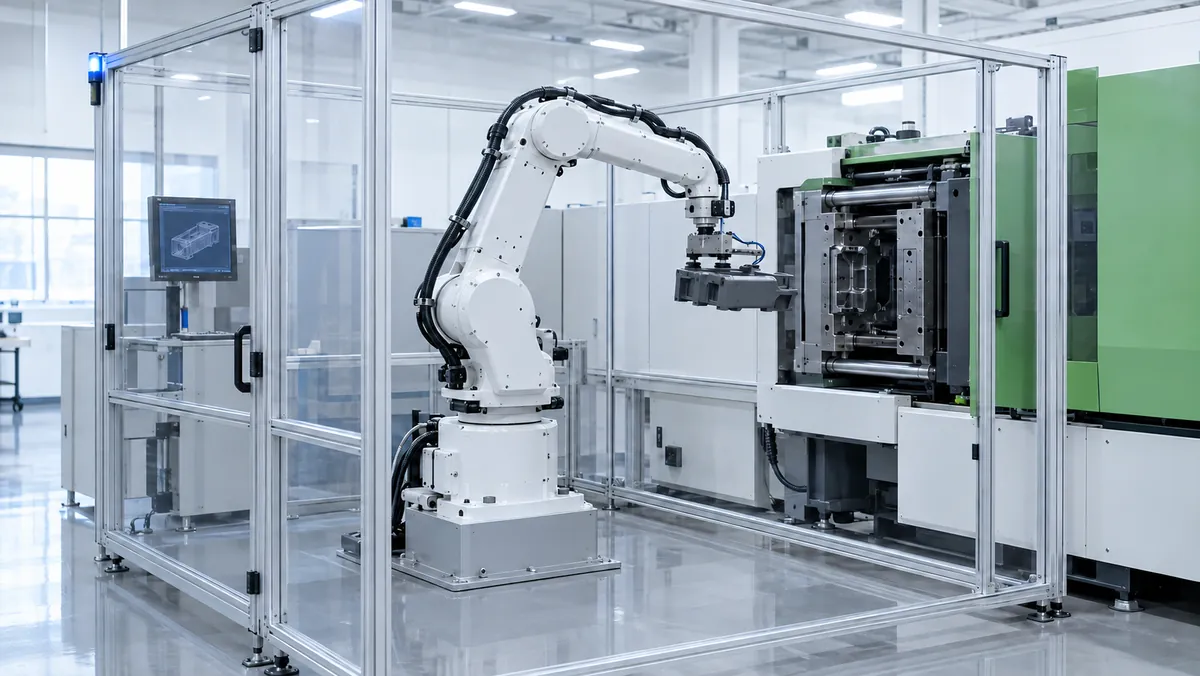
Six-axis robot unloading a molded part inside an automated cell
07 — Automation

Six-Axis
Robotic Automation

Full-cell automation for part extraction, insert loading, inspection, and packaging — repeatable to ±0.5 mm, shift after shift.

±0.5mm repeatability
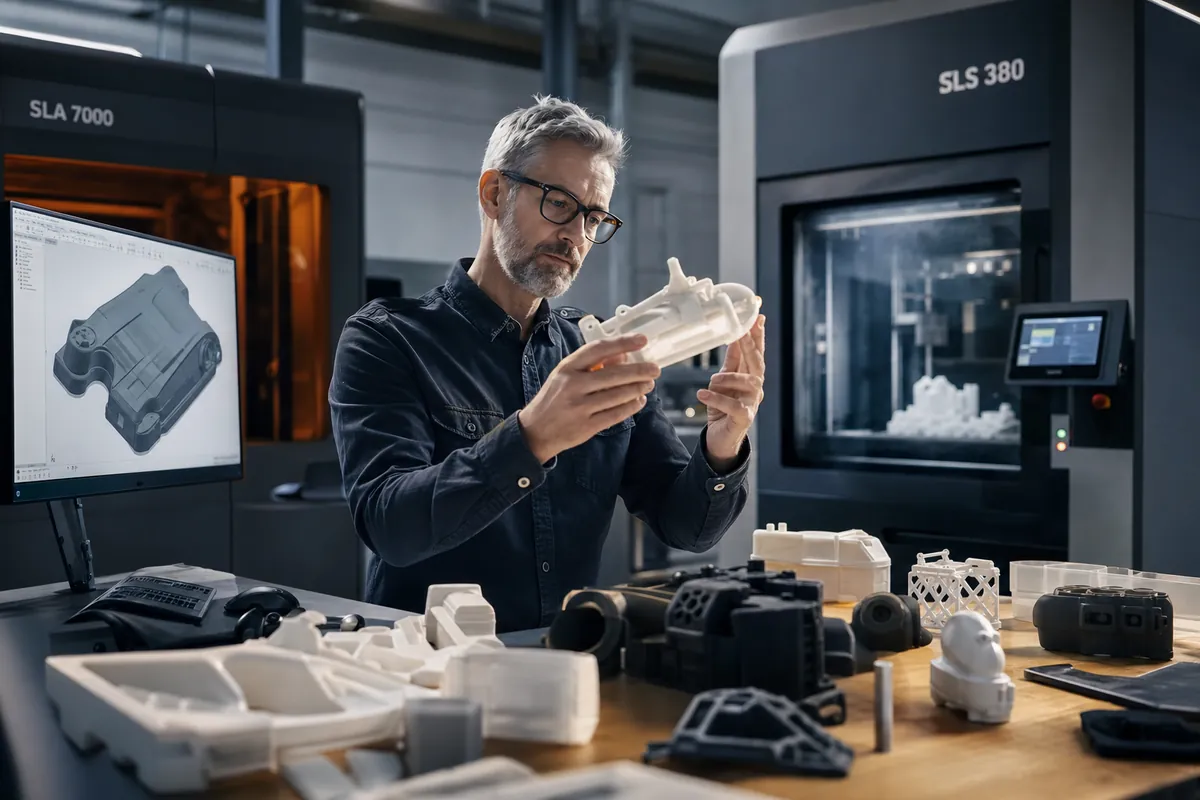
Engineer evaluating 3D-printed prototype parts
08 — Validation

Rapid
Prototyping

For existing production programs: FDM prototypes and aluminum or pre-hardened bridge tooling to validate fit, function, and material before production steel is cut.

Offered within production programs
Our Process

From first sketch to qualified production — six stages, one team.

A documented program flow that protects schedule, manages risk, and gives engineers and procurement a predictable path from concept to shipped parts. Every stage happens under one Long Island roof.

  1. 01

    Design & DFM

    SolidWorks modeling, design-for-manufacturability review, material selection, and mold-flow simulation — before a single cavity is cut.

    • CAD/CAM modeling
    • DFM & warp analysis
    • Mold-flow simulation
  2. 02

    Prototyping

    When a production program calls for it, FDM prototypes and bridge tooling validate fit, function, and material before production steel is cut.

    • FDM prototypes
    • Bridge tooling
    • First-article review
  3. 03

    Mold Construction

    Multi-action, hot-runner, three-plate, two-shot, over-mold, and insert tools designed and constructed in-house on Okuma machining centers, Roku-Roku five-axis mills, and wire and sinker EDM.

    • Hot-runner & multi-action
    • Two-shot / over-mold
    • Okuma · Roku-Roku · EDM in-house
  4. 04

    Sampling & Validation

    Scientific molding, design-of-experiments, and process documentation establish a repeatable window before production release.

    • Scientific molding / DOE
    • Cavity-balance & gate study
    • First-article qualification
  5. 05

    Production & Assembly

    Engel, Haitian, Toshiba, Sumitomo, and Sodick presses paired with six-axis robotic cells, in-house metal fab, and integrated assembly — plastic, metal, and electronics finished as one part.

    • 20 molding machines, 55–1200T
    • Clean-room capable
    • Integrated assembly
  6. 06

    Quality & Delivery

    In-process inspection, statistical control, and documented process records support repeat production runs and audit-ready release.

    • In-process inspection
    • Documented release
    • JIT & scheduled delivery
Equipment Fleet

Twenty presses. One production floor.

Engel, Haitian, Toshiba, Sumitomo, and Sodick injection molding machines — 20 presses from 55 to 1,200 tons — paired with clean-room molding capability, industrial robotics, and an Amada-equipped metal fabrication shop.

Inside the tool room
  • 8 Engel Victory
  • 3 Haitian Zhafir Zeres
  • 2 Haitian Jupiter
  • 3 Toshiba
  • 2 Sumitomo
  • 2 Sodick
  • 20 presses · 55–1,200 T
Engel injection molding machines
Mid-Range Production

Engel Victory Tie-Bar-Less

Eight latest-generation Engel Victory machines deliver the platen parallelism and mould protection that engineering-grade resins demand — tie-bar-less servo-hydraulic drive with the CC300 control system.

Machines
8
Tonnage
130–340T
Platform
Tie-bar-less
Control
CC300
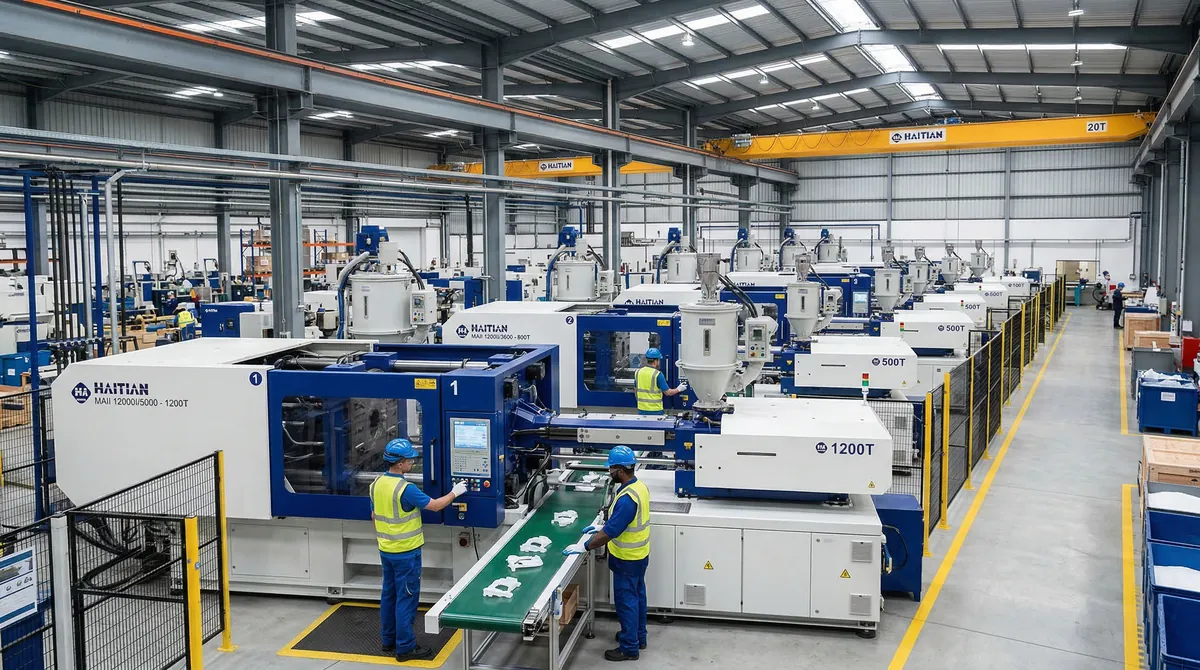
Haitian injection molding machines on a production floor
Electric & Two-Platen Production

Haitian Zhafir Zeres & Jupiter

Three Zhafir Zeres electric machines — electric clamp, injection, and screw drive with integrated servo-hydraulics for core pulls — and two Haitian Jupiter two-platen servo-hydraulic presses for large-part production.

Machines
5
Zeres
3 electric
Jupiter
2 two-platen
Drive
Servo
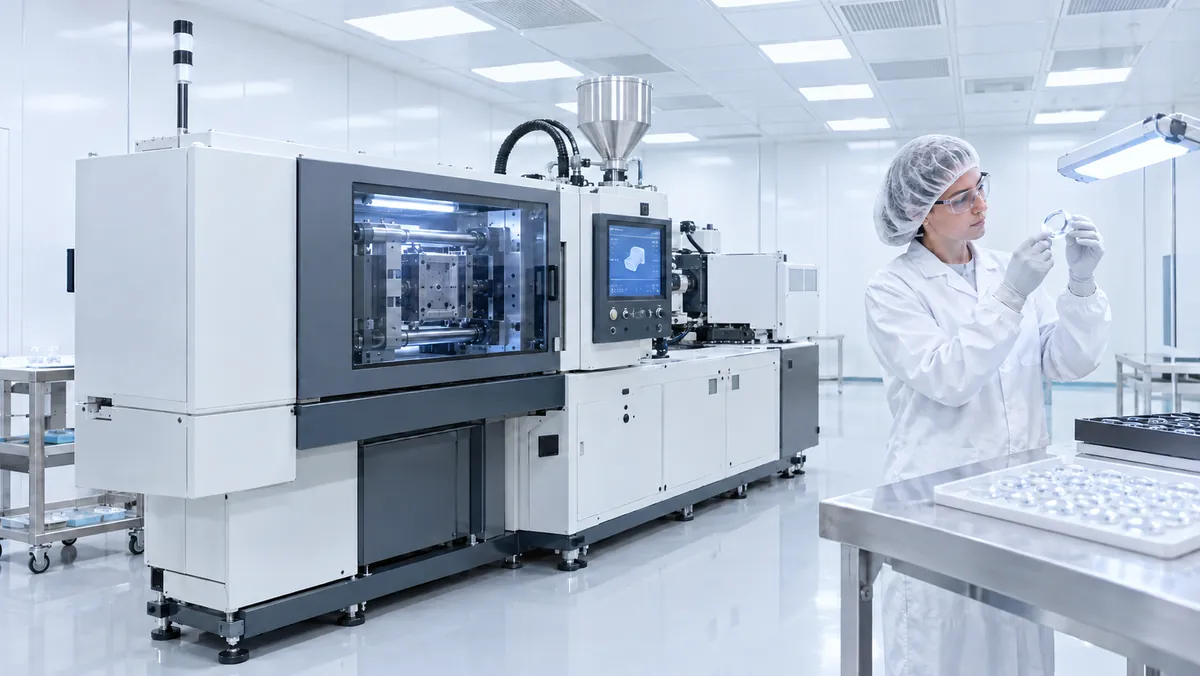
All-electric precision molding machine in a clean-room molding cell
Precision Production

Sodick Precision Machines

Two Sodick all-electric machines deliver the ultra-precision and clean-room compatibility required for medical, optical, and micro-tolerance work — with V-Line plunger injection for shot consistency.

Machines
2
Drive
All-electric
Use
Clean room
Tech
V-Line
Six-axis robotic automation cell
Robotic Automation

Six-Axis Industrial Robots

Articulated six-axis robots handle part extraction, insert loading, degating, inspection, and downstream packaging with sub-millimeter precision across fully integrated cells.

Axes
6
Repeatability
±0.5mm
Integration
Full cell
Tasks
Multi
Amada press brake and CNC metal fabrication
Metal Fabrication

Amada Press Brake, CNC & Stamping

A complete Amada-equipped metal fabrication shop with CNC machining centers, Amada press brakes for precision bending, stamping presses, and laser cutting — enabling true integrated assemblies.

Press Brake
Amada
CNC
3 & 5-axis
Stamping
In-house
Cutting
Laser
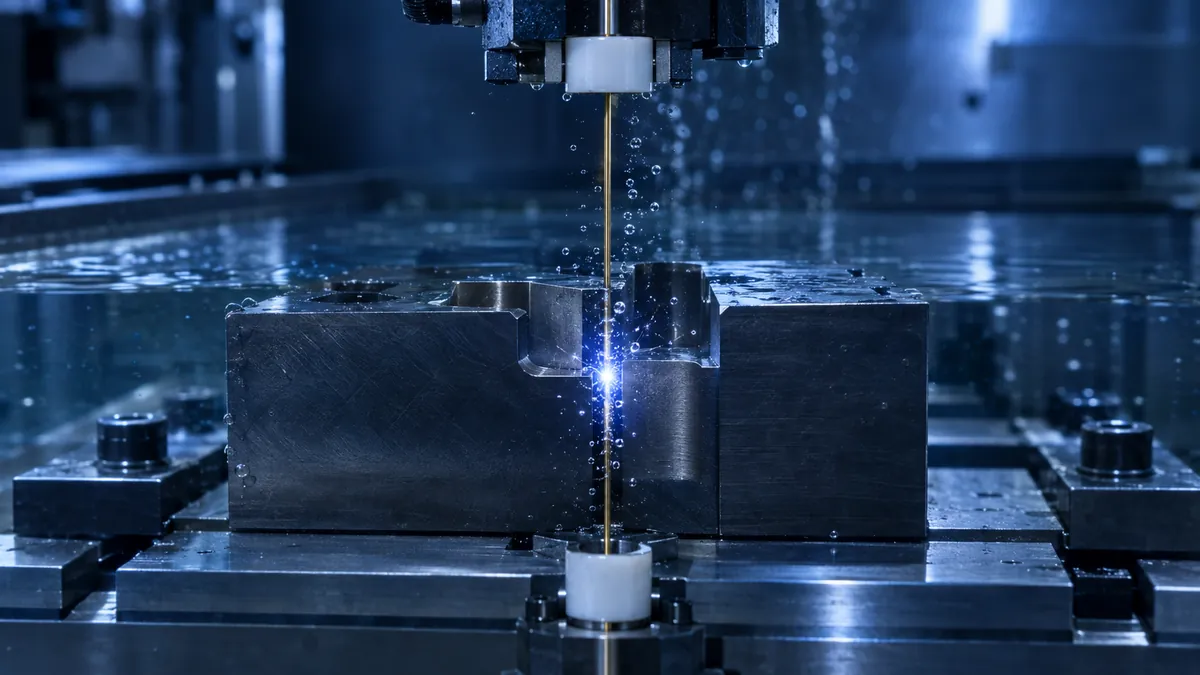
Wire EDM cutting a hardened steel mold insert
Tool Room & Metrology

Okuma, Roku-Roku & EDM

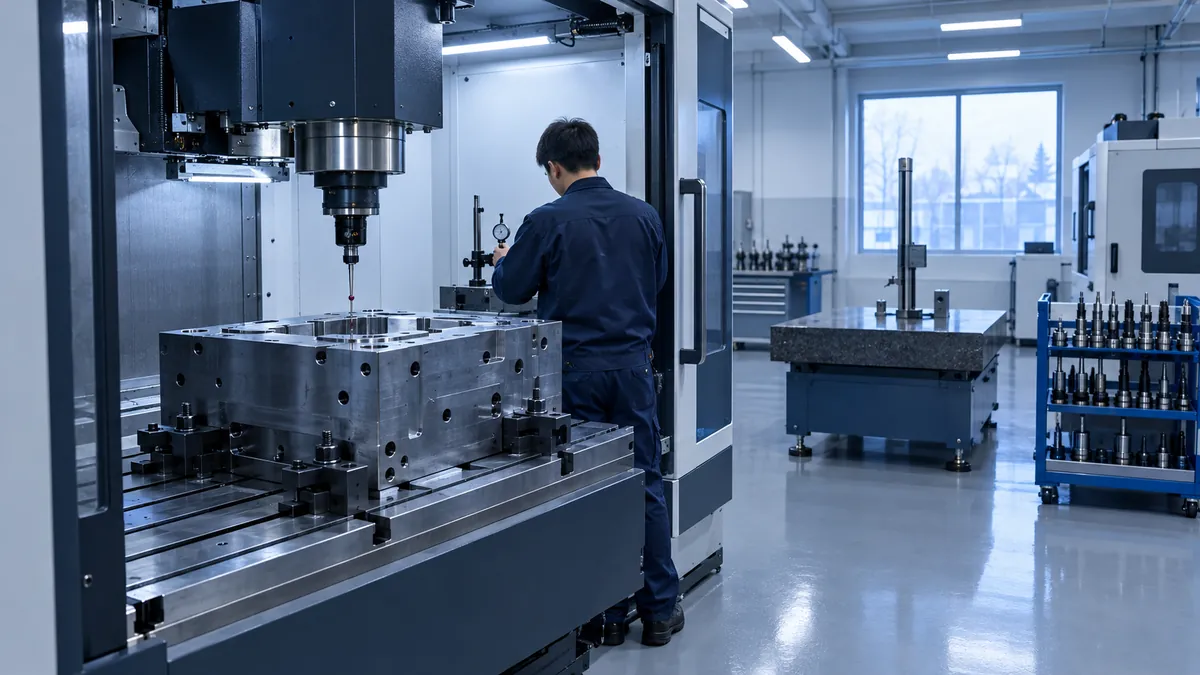
An on-site tool room builds and maintains every mold under this roof — Okuma CNC machining centers, Roku-Roku five-axis high-speed milling for hardened cavities and electrodes, and wire and sinker EDM, backed by surface grinding and CMM inspection for first-article and in-process checks.

Machining
Okuma
5-Axis
Roku-Roku
EDM
Wire & sinker
Inspection
CMM
Graphite electrode burning a cavity in a sinker EDM
CNC machining center probing a steel mold base
Five-axis high-speed milling of a mold cavity
Tool Room

Hardened steel, cut under this roof.

Every mold API runs is built and maintained in our own tool room — so an insert change, a texture, or a repair is a walk across the floor, not a shipment to a vendor.

  • OkumaCNC machining centers
  • Roku-RokuFive-axis high-speed milling for hardened cavities and electrodes
  • Wire EDMHardened inserts, lifters, and fine slots to tight tolerances
  • Sinker EDMRibs, sharp internal corners, and textured detail
  • Grinding & CMMSurface grinding and coordinate-measuring inspection
Facility Overview

100,000 square feet in Central Islip — organized for flow.

Design and engineering, tool room, molding floor, assembly, and distribution share one ISO 9001:2015-certified headquarters at 1150 Motor Parkway — minutes from Long Island MacArthur Airport (ISP).

Our history and facility
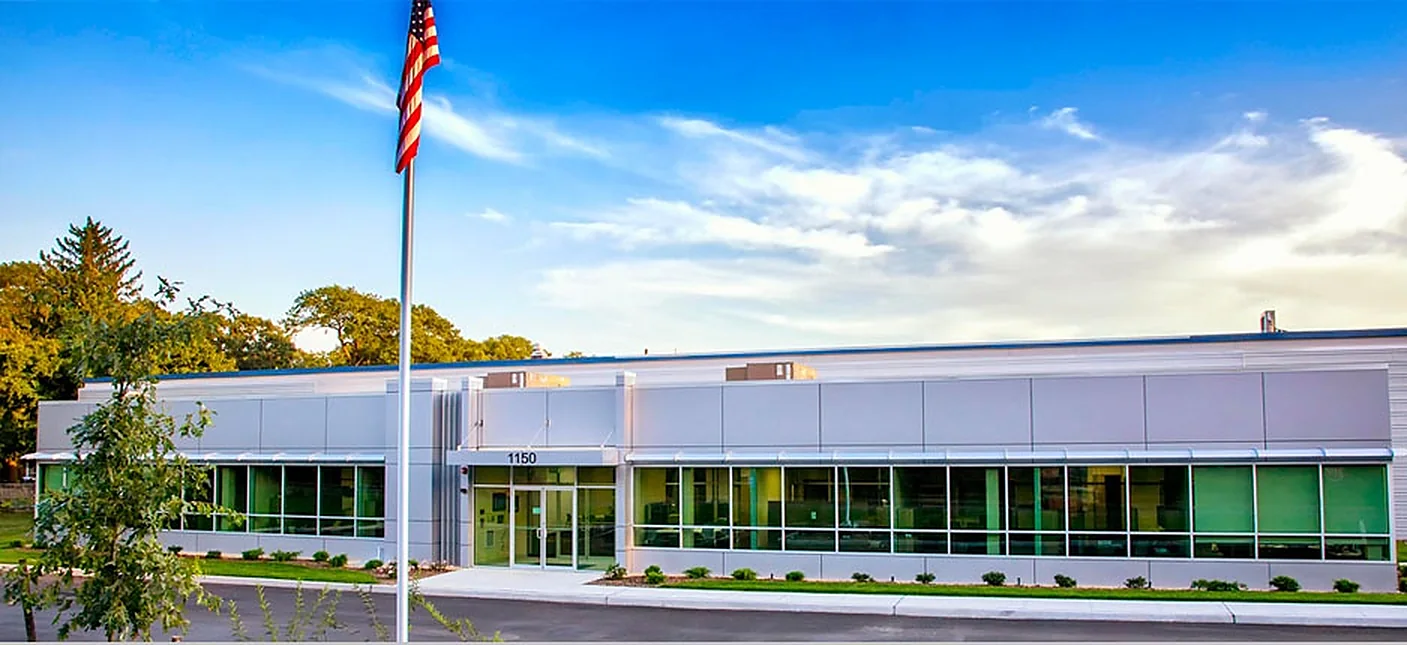
Front of the Autronic Plastics headquarters at 1150 Motor Parkway, Central Islip, New York, with the American flag out front
1150 Motor Parkway, Central Islip — headquarters and plant since 2014
Under one roof
Engineering, tool room, 20-press molding floor, clean-room cell, metal fabrication, assembly, warehousing
Operation
Three-shift production, 24 hours a day, five days a week. Customer service Monday–Friday, 9am–5pm ET.
Investment
A $3.5 million facility modernization program was announced in 2025 with support from the Suffolk County IDA.
20
Molding machines
5
Press brands
24/5
Three shifts
Clean
Room capable
55–1200T
Full range
100K
Square feet
  1. 1953
    Autronic Plastics founded on Long Island as a custom injection molder. Same family ownership ever since.
  2. 1993
    Security packaging line acquired, adding retail security packaging and life-safety components to the molding business.
  3. 2014
    Move to Central Islip — a 100,000 sq ft headquarters consolidating engineering, tooling, molding, assembly, and distribution.
  4. Today
    20-press fleet, 55–1200T — Engel Victory tie-bar-less, Haitian Zhafir Zeres and Jupiter, Toshiba, Sumitomo, and Sodick all-electric machines, plus a facility modernization program.
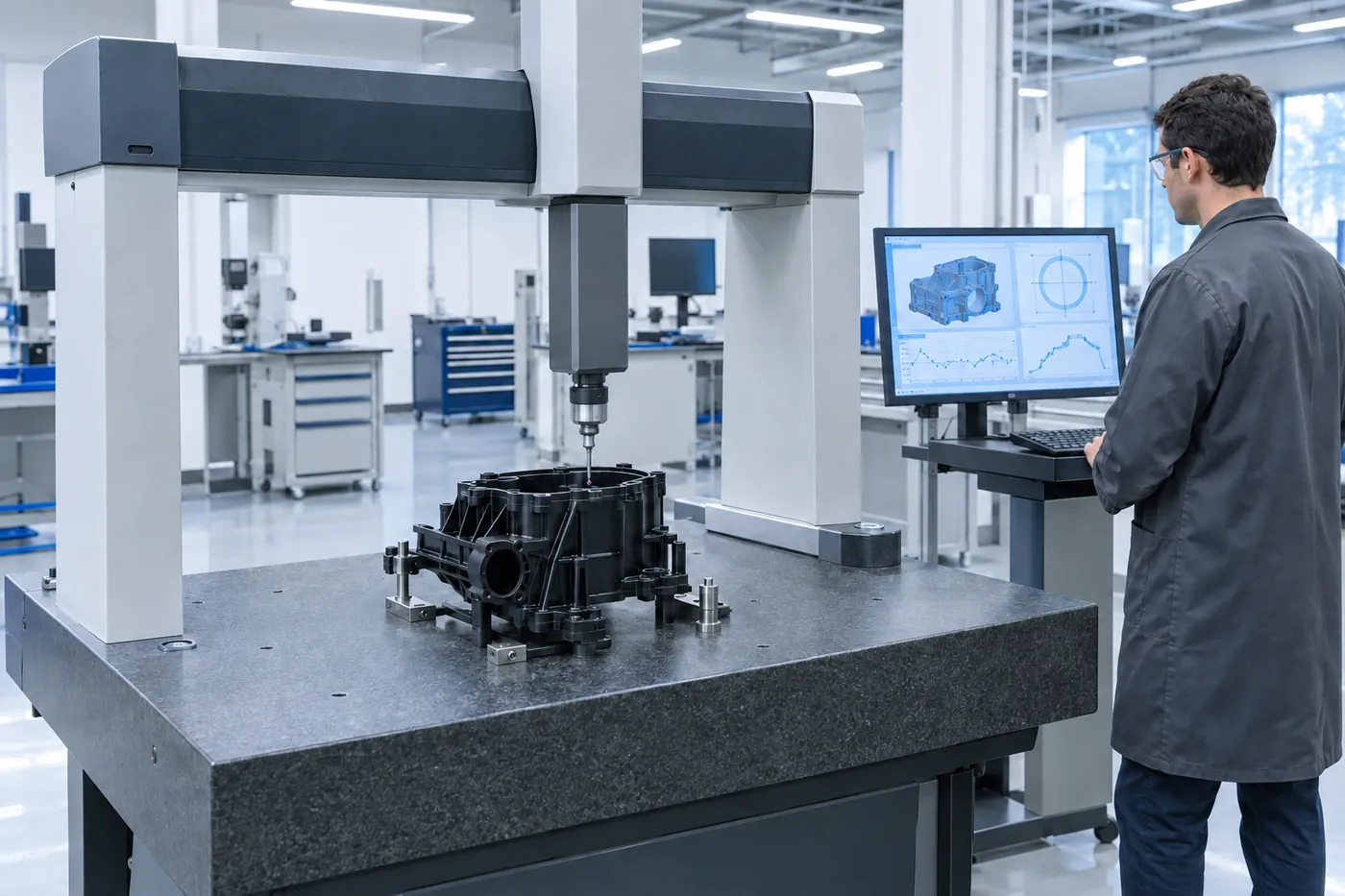
Coordinate measuring machine inspecting a molded housing in the quality lab
Quality & Engineering

Scientific molding, documented at every stage.

When a part is critical, “high precision” is not a claim — it is a record. We instrument the process, validate the window, and lock the documentation so the second run looks like the first and the fifty-thousandth.

How our quality system works
DOE
Scientific Molding

Design-of-experiments and decoupled molding establish a repeatable, documented process window before a part is released to production.

DFM
Design Review

Mold-flow simulation, warp prediction, and material-selection guidance integrated into every program from kickoff.

SPC
In-Process Control

Statistical process control and in-cycle inspection — catching drift in real time, not at final audit.

FAI
First-Article Qualification

Documented first-article inspection packages give procurement and QA the records needed to release the program.

  • CMM dimensional inspection
  • Optical comparator
  • Taguchi design-of-experiments
  • Statistical process control
  • UL 746D regrind limits
  • ISO 9001:2015 certified QMS

“Do it right today, and even better tomorrow.”

API quality policy
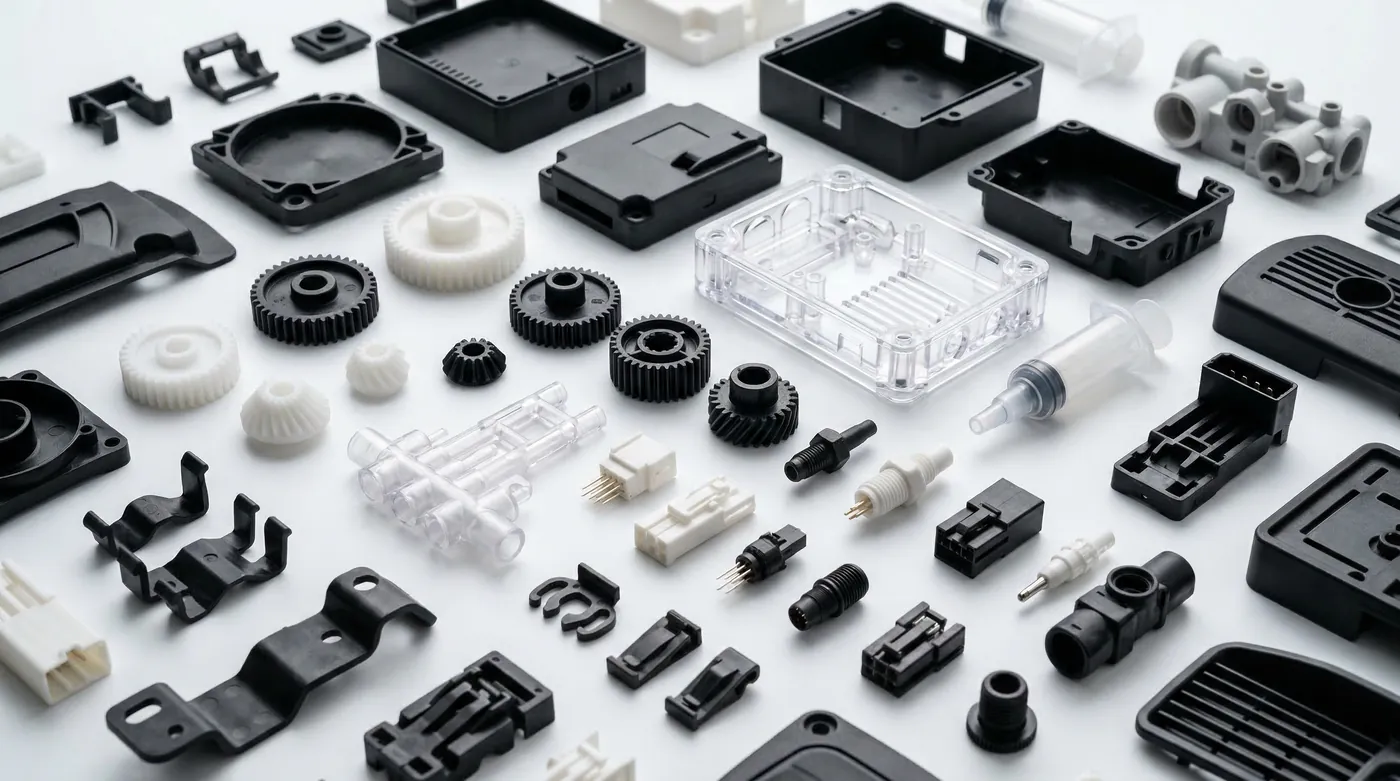
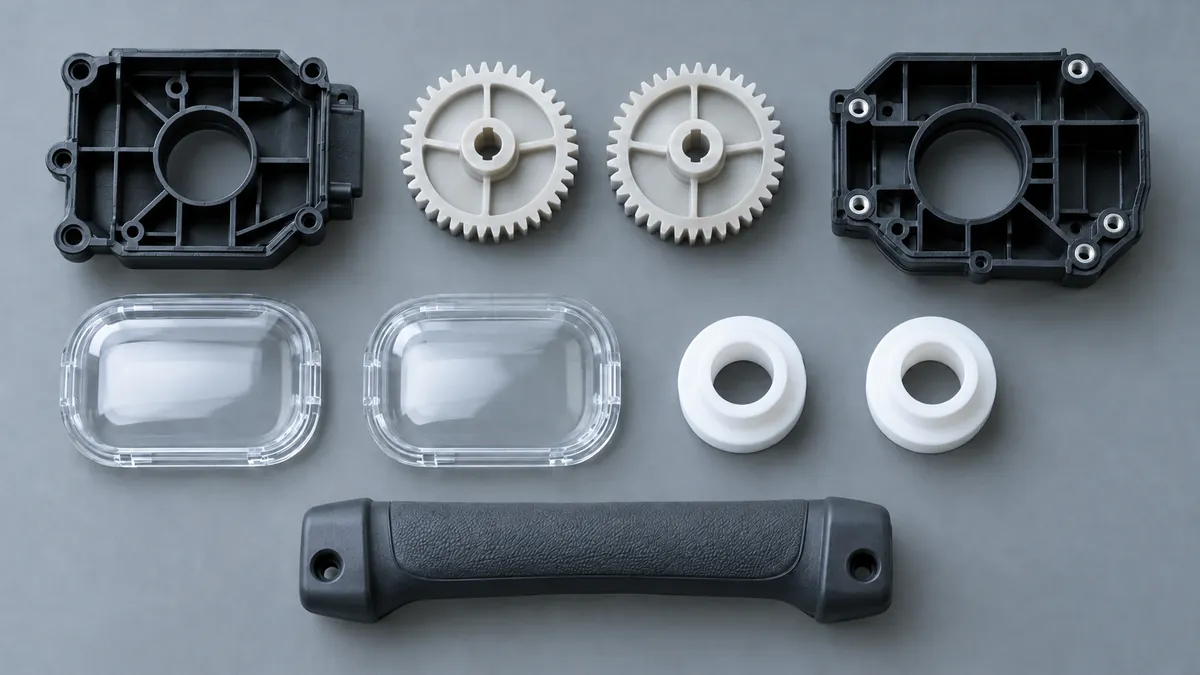
Molded housings, gears, lenses, bushings, and an over-molded grip in engineering resins
Advanced Resins

When the spec calls for metal-grade performance — in thermoplastic.

High-performance engineering thermoplastics and metal-replacement compounds are where most molders hesitate. They are where we start — including metal-loaded alloys of up to 94% metal content, TPE/TPU rubber replacement, and chemically bonded two-shot pairings. Scientific molding keeps dimensions stable and repeatable, even on the most difficult resins.

PEEKHigh-temp engineering
PEI (Ultem)Flame-retardant
PPSChemical resistance
LCPHigh-flow precision
Nylon (PA)Reinforced grades
PolycarbonateImpact resistance
Acetal (POM)Dimensional stability
Glass-FilledStiffness & strength
Certified & compliant grades available: FDA · REACH · NSF · RoHS · UL-recognized Compare 22 resins in the guide
Industries Served

Trusted where precision matters most.

From mission-critical medical devices to demanding transportation components and rugged building products — our parts perform where the stakes are highest.

See every industry we serve

Medical Devices

Dental and surgical instrument components, imaging and diagnostic housings, medication-delivery and lab devices in medical-grade resins.

Transportation

Transit infrastructure, rail and vehicle components, and durable transportation assemblies built to demanding specifications.

Electronics

Connector housings, enclosures, display and security-device components, and high-precision insert-molded assemblies.

Industrial

Machine components, housings, and OEM parts for industrial equipment.

Aerospace

Lightweight metal-replacement components in PEEK, PEI, and PPS for aerospace and defense programs.

Building Products

Emergency-lighting and exit-sign housings, lenses, architectural hardware, and infrastructure components.

Telecom

Network enclosures, mounting hardware, and outdoor-rated assemblies.

Consumer Products

High-volume consumer goods, appliances, and durable household products.

Engineering in Practice

How API engineers solve the hard part.

One documented program and three application briefs from the API archive. Each one started with an engineer looking at a part.

Read the full case studies
Application brief · Metal replacement01

Converting machined and cast metal to engineered thermoplastics.

Medical, electronics, aerospace, and defense customers came to API to take weight and cost out of metal components without giving up performance. API engineers partnered through part redesign, material selection, mold design, testing, and production — often consolidating several metal pieces into a single molded part.

  • Lighter parts, lower material and freight cost
  • Corrosion, chemical, and UV resistance without coatings
  • Part consolidation eliminated fixtures and secondary assembly
Program · Design & assembly02

A self-service RFID unlocking system for library media.

A leader in asset protection needed a checkout system that let patrons unlock secured digital-media cases themselves. API worked with the customer's engineering team from the first concept — part design, material selection, tool design, molding, and final assembly of the complete device.

  • Unattended checkout with theft protection intact
  • Complex multi-part assembly built and tested at API
  • Security packaging designs adopted by major retailers
Application brief · Automation03

Applying robotics to molding and assembly to compete with offshore pricing.

To hit aggressive budget targets, API designed custom and off-the-shelf automation into the molding cell: resin handling, sprue and runner picking, over-mold transfer for the second shot, insert loading, and in-line secondary operations and assembly.

  • Automated handling reduces labor content per part
  • Consistent handling, less variation between shifts
  • A domestic cost structure that can compete with offshore quotes
Application brief · Reshoring04

Why offshore tooling is not always cheaper than Made in USA.

Customers who built tools overseas came back with compromised molds, air-freight bills, and months of sample shipping. At API the mold is designed, built, qualified, and run at the same Long Island address — and stored and maintained on site for the life of the tool.

  • No sample round-trips: approve parts at the press
  • USD pricing, NDA handling, ISO 9001:2015 quality system
  • Tool transfer and re-qualification for molds built elsewhere
Engineering Resources

Reference material for designing a moldable part.

The guides our engineers hand to customers at kickoff — part-design rules, a side-by-side resin comparison, and straight answers to the questions we hear most.

DFM

Plastic Part Design Guide — walls, draft, ribs, bosses, radii.

The rules of thumb that keep a mold simple and a part free of sink, warp, and weld-line defects — with the numbers our tool designers actually use.

Read the design guide
Materials

Basic Resin Guide — 22 commodity and engineering resins compared.

Strength, heat, impact, flow, shrink, cost, and mold wear for ABS through PEEK, PPS, and glass-filled nylon — plus where each one is typically used.

Open the resin guide
FAQ

Injection molding FAQ — quoting, lead times, run sizes, tool transfers.

What to send with an RFQ, typical re-order lead times, when molding is the right process, and how we take over a mold from another shop.

Browse the FAQ
News & Media

Videos, press coverage, and photographs from the Central Islip plant.

Features by Long Island Makers, the New York Power Authority, and the Suffolk County IDA, plus coverage of the plant’s expansion and modernization.

See news & media
Start a Conversation

Tell us about the part — we'll tell you how we'd build it.

Hours
Customer service Mon–Fri, 9am–5pm ET
Production runs three shifts, 24/5
What helps us quote fast
A 3D model (STEP/IGES/SLDPRT) or 2D print, target material, annual volume, and any existing tool or sample part. None of it is required to start the conversation.

Request a quote or engineering review

An API engineer evaluates every submission and contacts you about timelines and any additional information needed. Prints, CAD files, or prototypes help — but are not required to start.

STEP, IGES, SLDPRT, Parasolid, PDF, DWG/DXF, ZIP, or image up to 8 MB. Larger files: email a share link.