Why in-house mold construction matters
A mold built by the people who will run it is a different product. API's toolmakers design for the specific press, robot, and material the part will see, and the molding engineers sit in on the tool design review. When a sample shows a cosmetic or dimensional issue, the fix is a walk across the floor — not a crate, a customs form, and an eight-week wait.
The tool room also carries the whole life of the mold: qualification, texture and polish, hot-runner service, preventive maintenance, repairs, engineering changes, and secure storage until the next release.
What we build
- Hot-runner and cold-runner production molds, single cavity to high cavitation
- Multi-action and multi-cam molds with slides, lifters, and unscrewing cores
- Two-shot (2K) and over-mold tooling, including rotary and transfer designs
- Three-plate molds and family molds
- Insert-molding tools with manual or robotic loading stations
- Quick-change inserts for MUD and other standard frames
- Prototype and bridge tooling in aluminum or pre-hardened steel
- Semi- and fully hardened production tooling sized to your annual volume
Whether the program needs a single-cavity tool with cam action, a two-shot mold for multiple resins, or a high-cavitation production tool, the same team scopes the steel, the cooling, the gating, and the automation together.
Tool room equipment
The tool room is equipped to machine the hardest mold steels and to verify them before they ever see the press.
| Equipment | What it does for your mold |
|---|---|
| Okuma CNC machining centers | Mold bases, plates, and cores; rigid, thermally stable machining of P20, H13, S7, and stainless mold steels |
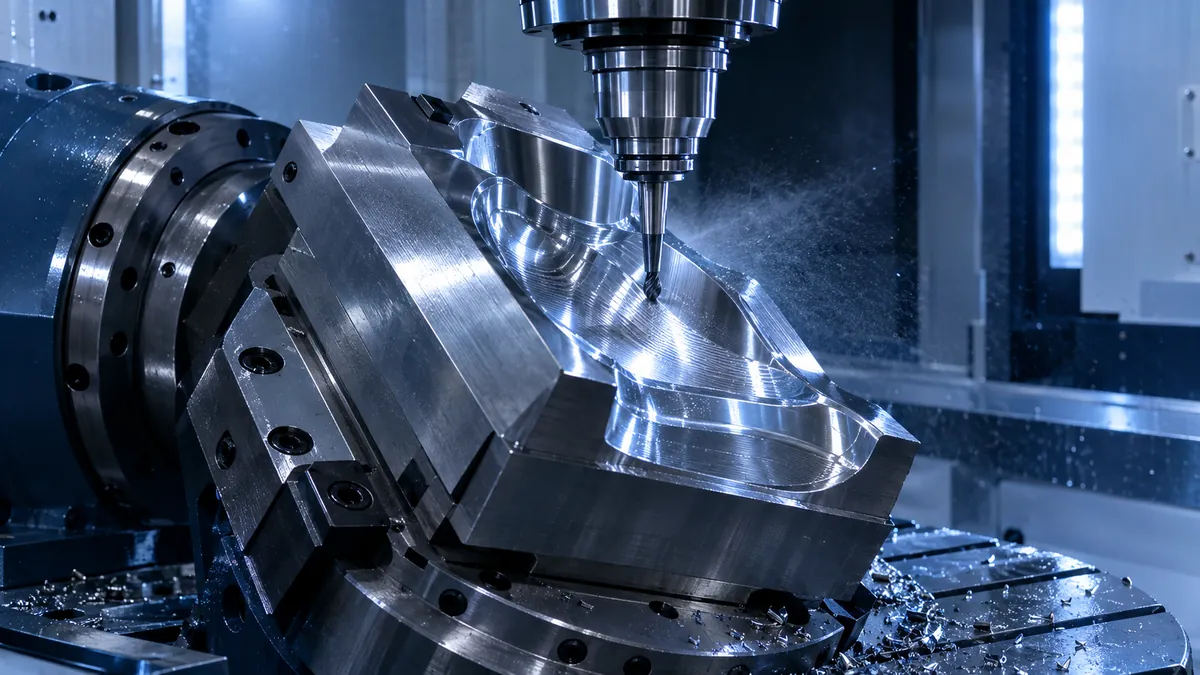
| Roku-Roku five-axis high-speed milling | Hard milling and graphite electrode work; fine detail and deep cavities with minimal benching |
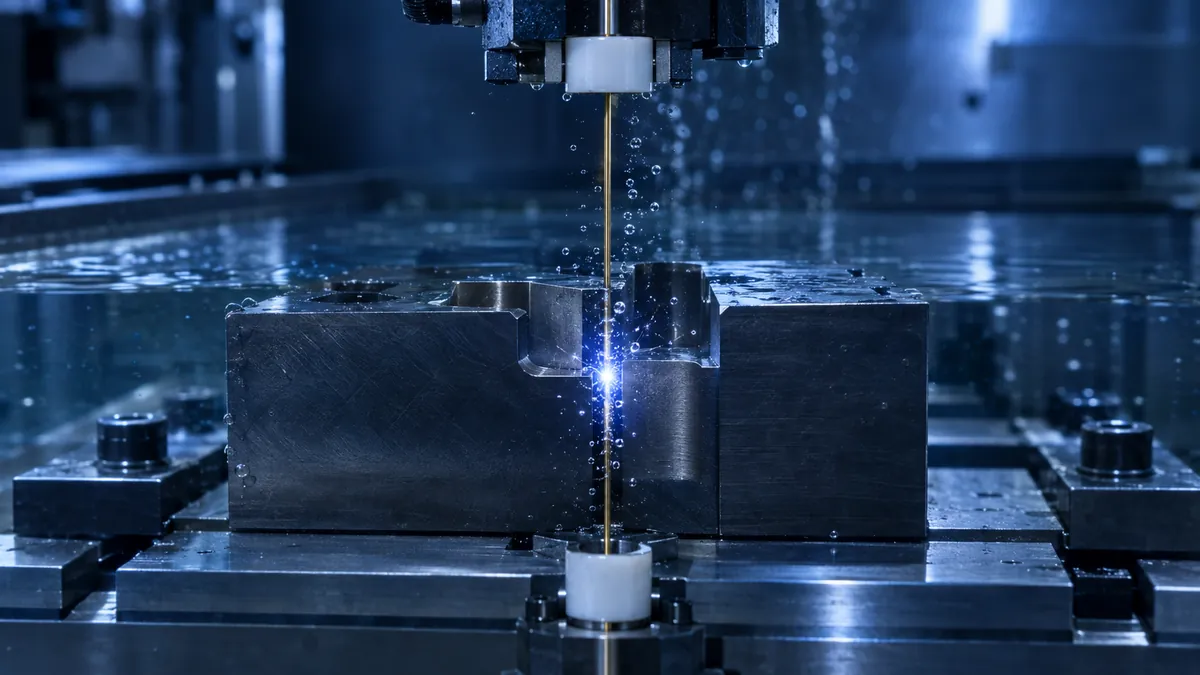
| Wire EDM | Through-cuts for inserts, ejector and core pins, lifters, and tight-cornered cavities in hardened steel |
| Sinker (ram) EDM | Ribs, sharp internal corners, lettering, and textures that cutters cannot reach |
| Surface grinding | Shut-offs, parting lines, and precision-fit inserts |
| Coordinate measuring machine | Verification of cores, cavities, and electrodes against the CAD model before assembly |
Mold design and DFM
Every tool starts with a design-for-manufacturability review of the part: wall sections, draft, gate locations, weld-line placement, ejection, shrink and warp, and the inspection plan. Mold-flow simulation is used where fill balance or cooling is in question. Our design and engineering page describes the process, and the plastic part design guide covers the rules of thumb we apply.
Maintenance, repair and storage
- Preventive maintenance scheduled by shot count, documented per tool
- Repairs and engineering changes completed in-house to minimize downtime
- Hot-runner and manifold service
- Secure, indexed on-site storage for customer-owned molds
- Transferred molds evaluated, repaired, and re-qualified before production
Frequently asked questions
Do you build molds in-house or buy them offshore?
API builds and maintains molds in its own tool room in Central Islip, NY — the same building as the presses. That keeps design reviews, sampling, and steel changes fast and keeps your tool design under one roof.
What kinds of molds can your tool room build?
Hot-runner and cold-runner production molds, multi-action and multi-cam tools, two-shot and over-mold tooling, three-plate molds, insert-molding tools, prototype and bridge tooling, and quick-change inserts for standard frames.
What equipment is in the tool room?
Okuma CNC machining centers, Roku-Roku five-axis high-speed milling, wire EDM, sinker EDM, surface grinding, and CMM inspection, plus a dedicated mold inspection and assembly area.
Can you repair or modify a mold built somewhere else?
Yes. API evaluates transferred molds, repairs or re-engineers them as needed, qualifies them on the press, and then stores and maintains them for the life of the tool.
Related
Need a mold built — or rescued?
Send the part model or the existing tool design. We will tell you how we would build it, and what we would change.